

%20(2).png)


Why Thinking Athletes Become Great Captains
Most athletes are taught what to do.
Very few are taught how to think.
And that gap — between execution and understanding — is where most teams stall. Coaches explain the drill. They draw it up on the board. They walk through it step-by-step. Practice starts… and suddenly the execution falls apart.
That’s not an effort issue.
That’s not a motivation issue.
That’s a learning issue.
If we want athletes who can lead, adapt, and perform under pressure, we have to teach them how to think through the game — not just run it.
From Following Instructions to Owning the Game
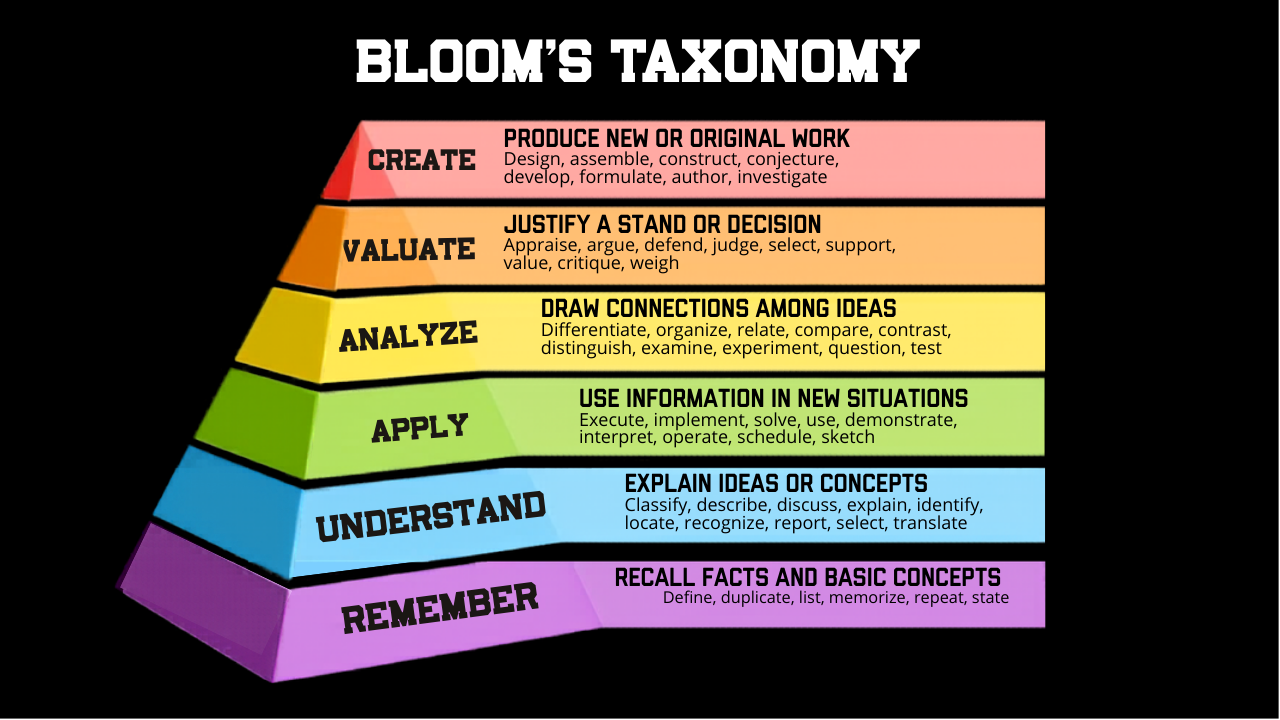
One of the most useful ways to understand athlete development comes from a simple learning framework: progression.
Just like strength training, learning happens in levels. You don’t max out on day one. You build capacity, awareness, and control over time.
The same is true mentally.
Great captains don’t just execute plays — they understand, diagnose, evaluate, and create solutions in real time.
Here’s what that progression looks like on the field.
Level 1: Remember — Do You Know the Play?
This is where every athlete starts.
Can they remember:
- The name of the play?
- Their assignment?
- The rules or terminology?
This is the whiteboard phase. Necessary, but limited.
If athletes can’t remember the system, they can’t run it — but memorization alone doesn’t win games.
Level 2: Understand — Do You Know What It’s Supposed to Do?
Now the athlete can explain the purpose.
Not just:
“This is our defensive look.”
But:
“This defense takes away the deep ball.”
Understanding gives athletes context. The game stops feeling random, and decisions start making sense.
This is where buy-in begins.
Level 3: Apply — Can You Run It?
This is execution.
Can the athlete:
- Run the play correctly?
- Perform the movement with proper technique?
- Execute in practice and competition?
Most teams live here. They can run the system when things go according to plan.
But pressure exposes the ceiling.
Level 4: Analyze — Can You See What’s Wrong?
This is where athletes start to separate.
Now they can identify:
- Breakdowns in coverage
- Errors in technique
- Patterns the opponent is exploiting
This is self-coaching.
Instead of waiting for feedback, athletes begin diagnosing problems on their own — a critical step toward leadership.
Level 5: Evaluate — Can You Decide What to Change?
Analysis turns into decision-making.
Athletes at this level can say:
- “We need to switch coverages.”
- “That shot wasn’t there.”
- “I need to adjust my approach.”
This is game intelligence. Not reacting — choosing.
These are the athletes coaches trust late in games.
Level 6: Create — Can You Lead Without Being Told?
This is where captains live.
At the highest level, athletes:
- Make real-time adjustments
- Communicate solutions to teammates
- Lead emotionally and tactically
- Solve problems the coach never sees
They don’t just run the system — they own it.
This is leadership in action.
Why This Matters for Coaches
Most athletes are trained to follow instructions.
Great teams are built by athletes who can:
- Analyze situations
- Adjust under pressure
- Lead when it matters most
That’s the difference between:
- Executing plays
- And running the game
If we want player-led teams, resilient cultures, and captains who elevate everyone around them, we have to coach beyond memorization and execution.
We have to teach athletes how to think.
Because when the pressure rises, the thinking athlete doesn’t panic — they lead.
%20(1).png)
Raise the Game
If you’re ready to modernize your coaching, deepen your impact, and develop athletes who become leaders—not just performers—this course is your playbook.
Share this blog with a coach who needs it.
Drop me an email if this message hit home.
Your athletes are waiting for a coach who understands their language…
A coach who can connect, communicate, and elevate.
Let’s raise the game—together.