

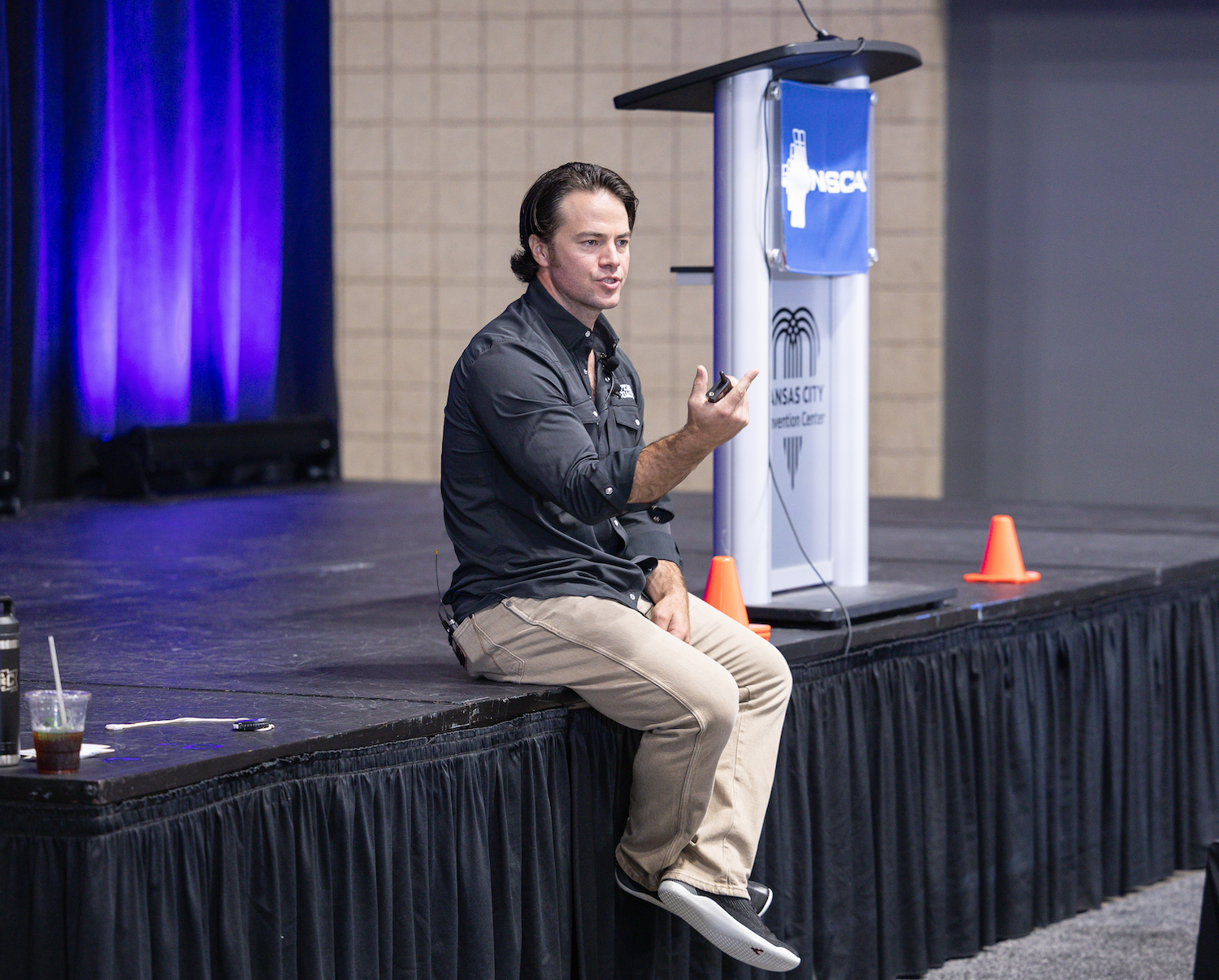


Six months in. Twenty percent of the way through an Ed.D. in Educational Leadership and Organizational Innovation, working on a dissertation in practice. No ivory tower. No high horse. In the trenches with teams, trying to figure out what actually works.
This post pulls back the curtain on where my thinking is going specifically into a gap I believe is one of the most under-addressed problems in competitive sport. A reintroduction to a framework most coaches have heard of but not fully sat with. And the three research questions I'll be spending the next three years trying to answer.
What Is Social Emotional Learning Really
Social Emotional Learning. It shows up in K-12 education constantly, and most coaches have heard the term. But I think it's being used in sport without being fully understood and that gap has consequences.
SEL was formalized by CASEL, the Collaborative for Academic, Social, and Emotional Learning in the 1990s. The framework organizes around five core competencies.
Self-awareness. The ability to recognize your own emotions, values, strengths, and limitations and understand how they influence your behavior. This is the athlete who knows when they go internal after a bad play and what it costs the team.
Self-management. Regulating emotions, thoughts, and behaviors in different situations. Managing stress. Setting goals and following through. This is the captain who can hold composure in the fourth quarter when everything is unraveling.
Social awareness. Understanding and empathizing with others, including across differences. Recognizing social norms and understanding how behavior lands in the room. This is the athlete leader who reads the locker room and knows when to push and when to back off.
Relationship skills. Communicating clearly, listening actively, cooperating, navigating conflict, and building trust. This is the relational infrastructure of a team.
Responsible decision-making. Making thoughtful, constructive choices about personal behavior and social interactions taking into account ethical standards, safety, and the wellbeing of self and others.
Five competencies. Simple to list. Hard to teach. And almost never explicitly taught to the athletes we hand leadership titles to.
What's Missing And Why the Environment Matters
Let's be honest about the context first. College athletics, at the highest levels, is a performance enterprise. Not a development enterprise. There are programs that prioritize development, genuinely. But that number is shrinking. The transfer portal moves athletes two or three times in a career now. Coaches are chasing logos just like kids are. Everybody is climbing the ladder, and the first thing that gets cut when you're trying to win right now is the slow, patient work of actually building a human being. That's the environment SEL is being asked to operate in.
In youth sport and even in most collegiate programs, when SEL shows up at all, it's coach-delivered. The adult is the scaffold. The coach is doing the emotional processing with the group. The coach is the one naming the moment, reframing the failure, facilitating the conflict.
And in a lot of ways, that works. Research supports it. We know that coaches have meaningful influence on psychosocial development when they're intentional about it.
But here's where it breaks down.
We hand athletes a captain title and we expect SEL to transfer. We expect the captain to now do what the coach has been doing; hold the emotional climate of the group, manage conflict, develop teammates. And we give them almost no preparation to do any of it.
We've built entire developmental systems on the assumption that watching good leadership produces good leaders. It doesn't. Not reliably. Not at scale.
What happens when the adult scaffolding is removed and peer leaders at the collegiate level are expected to carry SEL functions themselves?
That is the question I am spending the next three years trying to answer.
The Research
My dissertation is building toward a new psychometric instrument, a validated assessment of captain-specific leadership development. But before I can build the instrument, I have to understand the terrain.
That starts with three research questions. They came directly from this platform, from sixteen years of coaching, and from every conversation I've had with coaches who are doing this work seriously.
Research Question One: How do collegiate athlete leaders describe their awareness and use of social and emotional learning skills within their peer leadership roles?
This centers the captain's lived experience. What do they actually notice? What do they actually do? And critically, do they have language for it?
My hypothesis is that most captains are doing SEL work without knowing that's what it's called. They're reading the room. They're managing conflict. They're supporting teammates through failure. But because no one has ever given them a framework or named the competency, they can't reflect on it systematically, they can't improve it intentionally, and they can't teach it to the next generation of leaders coming up behind them.
Research Question Two: What conditions within collegiate sport programs support or hinder athlete leaders' development and application of SEL competencies?
This examines the structural and environmental layer. Because this isn't just about individual captains, it's about the systems they're operating inside of.
Does the program have any formal captain development? Does the head coach model SEL or just demand results? Is there psychological safety for a captain to admit they don't know how to handle something? Is there time built in for leadership development, or is it assumed it happens by osmosis?
The same captain in two different program cultures will produce two completely different outcomes. We need to understand why.
Research Question Three: How do coaches perceive the social and emotional readiness of their athlete leaders to support teammates' development?
This brings in the coaching perspective. How aligned are coaches and captains on what the captain is actually capable of?
My suspicion is that we're going to find significant misalignment. That coaches overestimate what their captains are equipped to handle, not out of negligence, but because coaches who are competent in these areas assume the transfer has already happened.
All three questions are triangulating the same gap, the one between what we expect from our captains and what we've actually prepared them to do.
The Challenge to Every Coach Reading This
Think about your last captain. What did you explicitly teach them about managing a teammate through a mental health struggle? About navigating peer conflict without coming to you? About building trust inside a roster where some athletes love them and some resent them?
If the answer is not much, that's not a character failure. That's a system failure.
One foot in the research. One foot on the turf. That's where this work lives.
Sports don't teach lessons. Coaches do.
Raise the Game
Enroll now in our new course on confidence and connection, Why They're Not Listening: Coaching the Modern Athlete. If you’re ready to modernize your coaching, deepen your impact, and develop athletes who become leaders—not just performers—this course is your playbook.
Share this blog with a coach who needs it.
Drop me an email if this message hit home.
Your athletes are waiting for a coach who understands their language…
A coach who can connect, communicate, and elevate.
Let’s raise the game—together.